

What if my roof does not qualify for an insurance claim?
Then you are buying a roof rather than filing a claim, and the conversation changes shape. A cash roof is generally cheaper than the same roof done on an insurance scope, because it is specified to what you actually need rather than to everything a carrier approved. You can still get a thirty-year shingle. What you usually give up is some of the warranty length and the accessories an insurance job carries along with it.
A cash roof is not a lesser roof
This is the fear worth addressing first. Paying yourself does not mean accepting a compromised roof. There are manufacturers and product lines that do not carry the price of the ones that typically land on an insurance scope, and they are still architectural shingles with a thirty-year rating behind them.
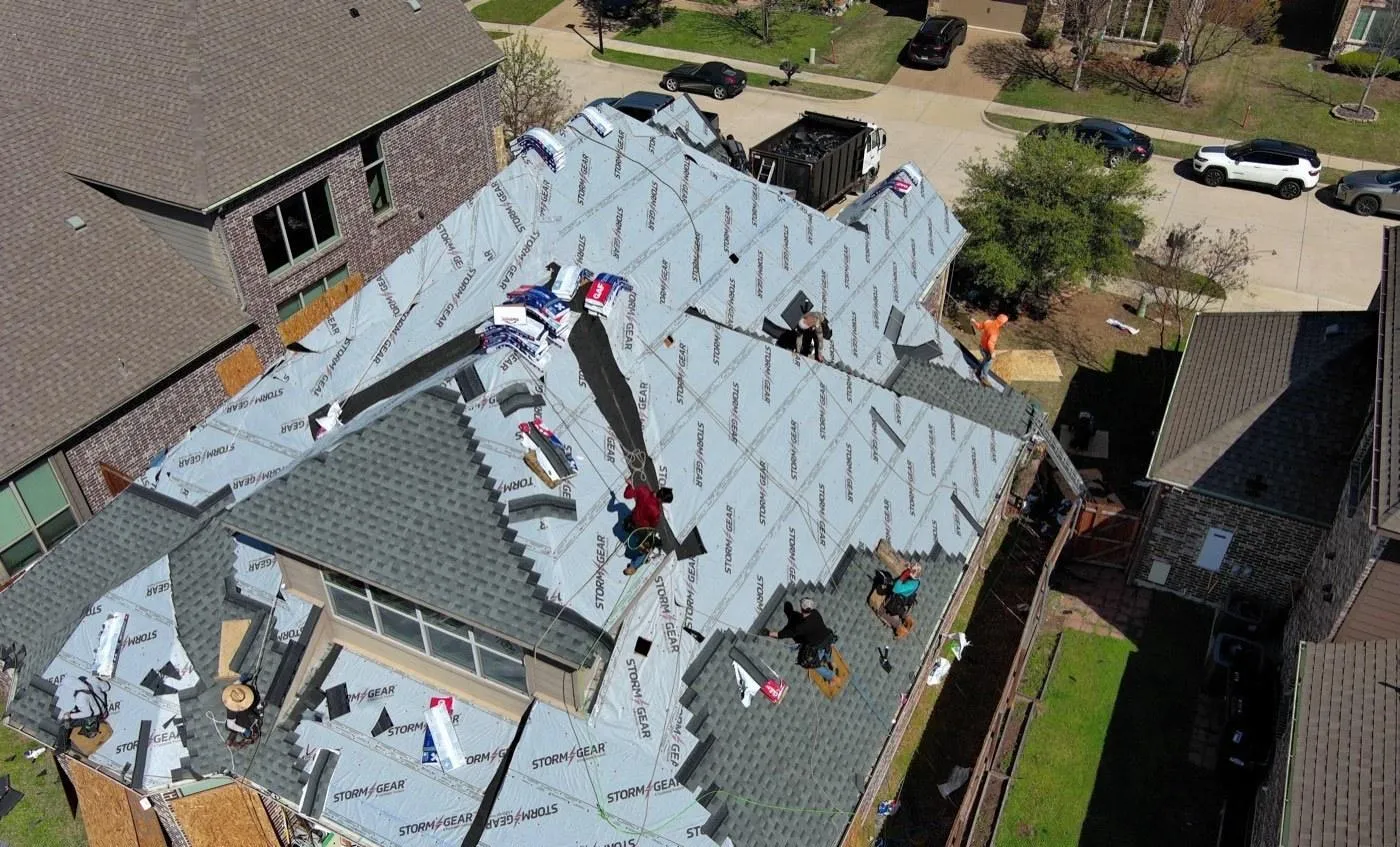
The install does not change either. Strip to decking, synthetic underlayment, membrane in the valleys, new metals. That is the job regardless of who is paying for it.
What you are actually giving up
Warranty length, usually. The lower-cost lines carry a shorter manufacturer warranty than the premium ones, and that difference is real even if it rarely gets exercised.
And the extras. An insurance settlement pays for everything the storm damaged, so the gutters, the downspouts, the screens and sometimes the fence come along with the roof. When you are paying, you are paying for a roof, and everything else is a separate decision.
That is the whole trade. Cheaper, still properly built, fewer things included, shorter paper on the shingle.
The questions that decide the specification
How long are you staying? A house you plan to be in for twenty years justifies talking about a Class 4 impact-resistant shingle, which is built for hail country and can reduce what you pay to insure the house. A rental you are turning over does not.
Is the roof failing, or is it aging? A roof with three good years left is a different conversation from one that is leaking, and the honest answer is sometimes to wait.
And has anyone actually looked? A surprising number of cash conversations turn out to be insurance conversations after an inspection, because damage from a storm a year or two back is still on the roof and still claimable. That inspection is free and it is worth doing before you spend anything.
If the obstacle is paying at once
Financing is available and the work does not have to wait for a lump sum.
The honest advice, which does us no favors: ask your own bank or credit union first. They will usually beat contractor financing on rate, because they are competing for your business in a way a contractor-arranged lender is not. If that route is closed, ours is there.
Related questions
Is a cash roof cheaper than an insurance roof?
Usually, yes, because it is specified to what you need rather than to everything a carrier approved, and it does not carry the other trades. The install standard is the same.
Do I still get a thirty-year shingle if I pay cash?
You can. There are product lines that cost less than the ones typically written into an insurance scope and still carry a thirty-year rating. The manufacturer warranty is generally shorter.
Should I file a claim anyway, just in case?
Have it inspected first. A filed claim can appear in your claims history regardless of outcome, so it is better to know there is something real to file on. Plenty of cash enquiries turn out to be claims once somebody has been on the roof.
Can I do part of the roof now and the rest later?
Sometimes, and it depends on what is wrong. A repair is a legitimate answer when the roof has life left in it, and we would rather tell you that than sell you a replacement you do not need yet.
